- Get link
- X
- Other Apps
A luxury car represents the pinnacle of quality, technology and performance while costing an absolute fortune as its owners insist on upholding their reputation. A comfortable ride that can outperform any other pawn on the road is expected from these overpriced hunks of metal.
The beauty of a well-executed luxury vehicle can be a remarkable experience. Check out the unique luxury car in the world, the Mercedes-Benz S-Class. However, automakers will always be ambitious. Many attempts to create cheaper versions of their luxury models have given the industry a hilarious gang of brothers who bit off more than they could chew. Here are ten of the most unreliable, overpriced vehicles money can buy.
10 Ferrari world 8
about: time
 about: time
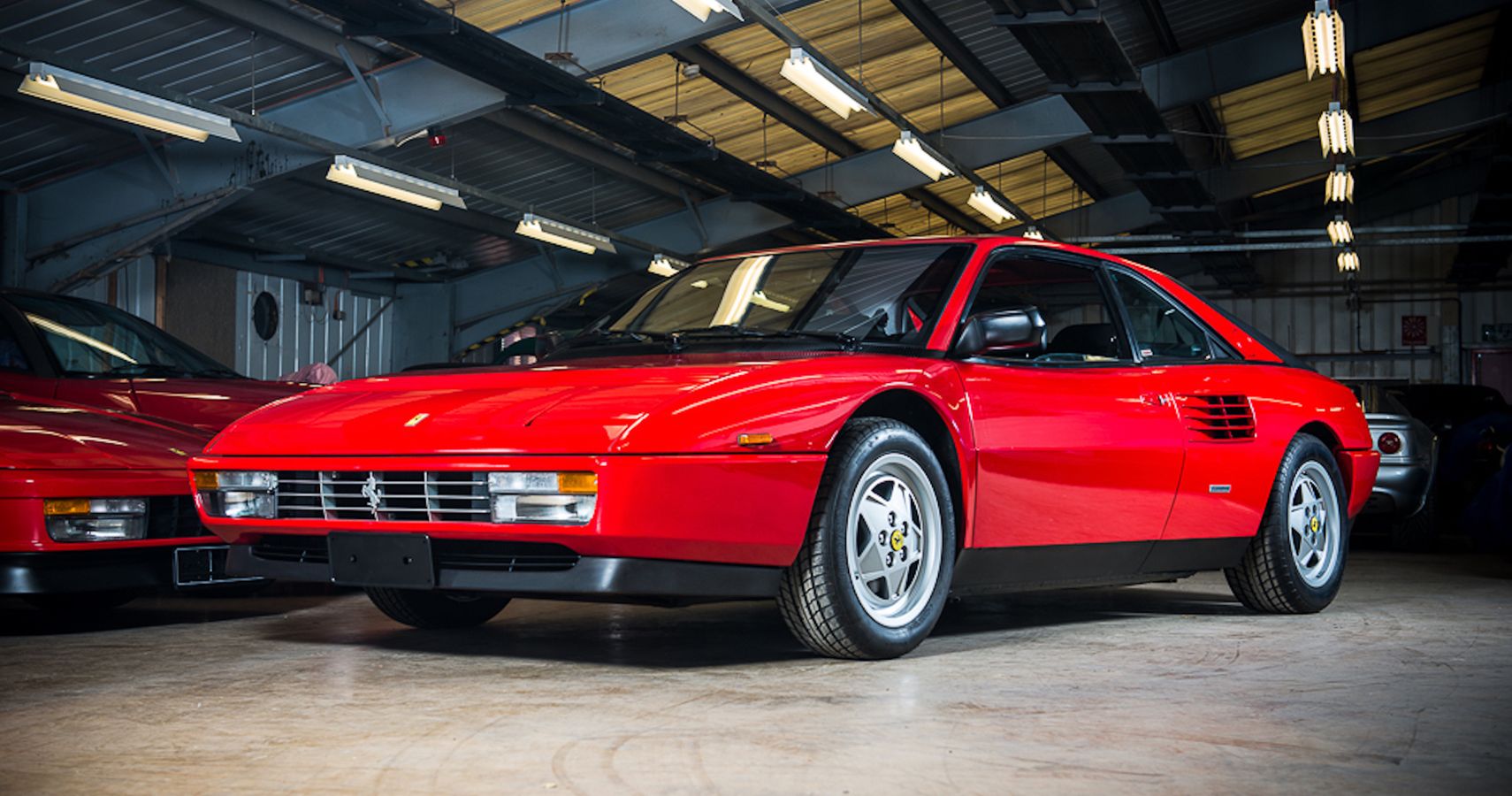
 Mondial, meaning ‘global’ in French, was Ferrari’s attempt at a 2+2 supercar. The Mondial sold 6,800 units between 1980 and 1993, making it Ferrari’s best-selling vehicle at the time! Good deeds aside, the Mondial replaced the popular 308GT and got a 3.0-liter V8 that barely made 214 hp. Severely underpowered and severely overweight at 3,459 pounds, the Mondial was more of a grazing cow than a prancing horse.
Another problem was Mondial’s habit of attending workshops. A sophisticated Bosch fuel injection system was known to fail, and the automated clutch assemblies were regular culprits for customers. The Mondial lacked Ferrari character and reliability, making it one of the most affordable luxury cars on the market today.
9 Delorean DMC-12
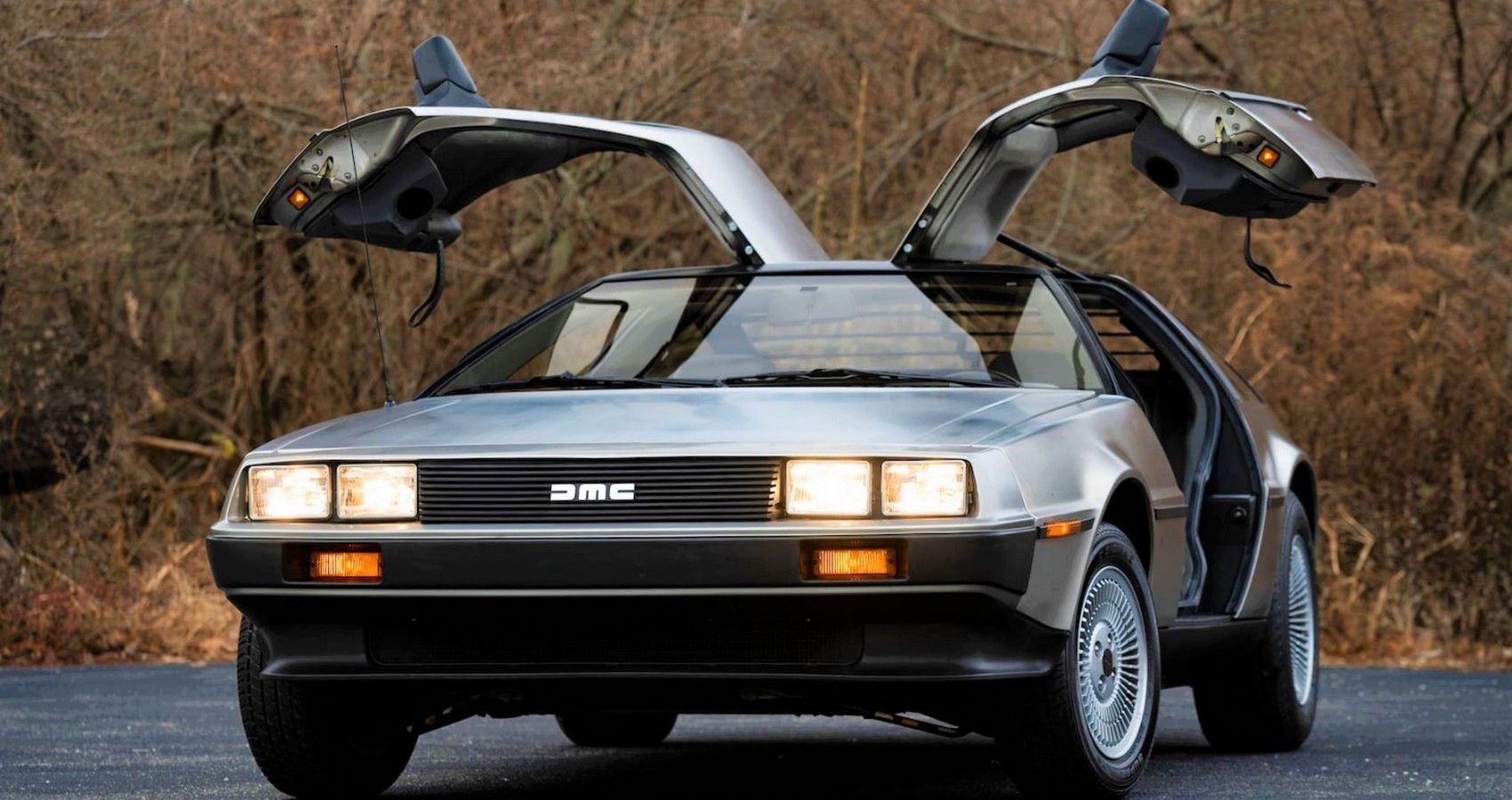
John Delorean once convinced investors that he was in the process of building a 200 hp sports car with a fiberglass body and rotary engine. It would even be inexpensive!
Instead, we encountered a chunky 2,718 lbs, 130 hp 2.8-liter V6 that cost customers $25,000 ($80,000 today). Underpowered and overpriced were the least of the DMC-12’s problems. Mechanical problems were so common that dealers refused to do guaranteed work as John Delorean still owed most of them money! The DMC-12 had many electrical problems under its leaky gullwing doors and several recalls for sticking throttle bodies and suspension malfunctions. Just 9,200 of these iconic vehicles were sold, making it one of the worst luxury cars you could buy in 1981.
8th Aston Martin Lagonda
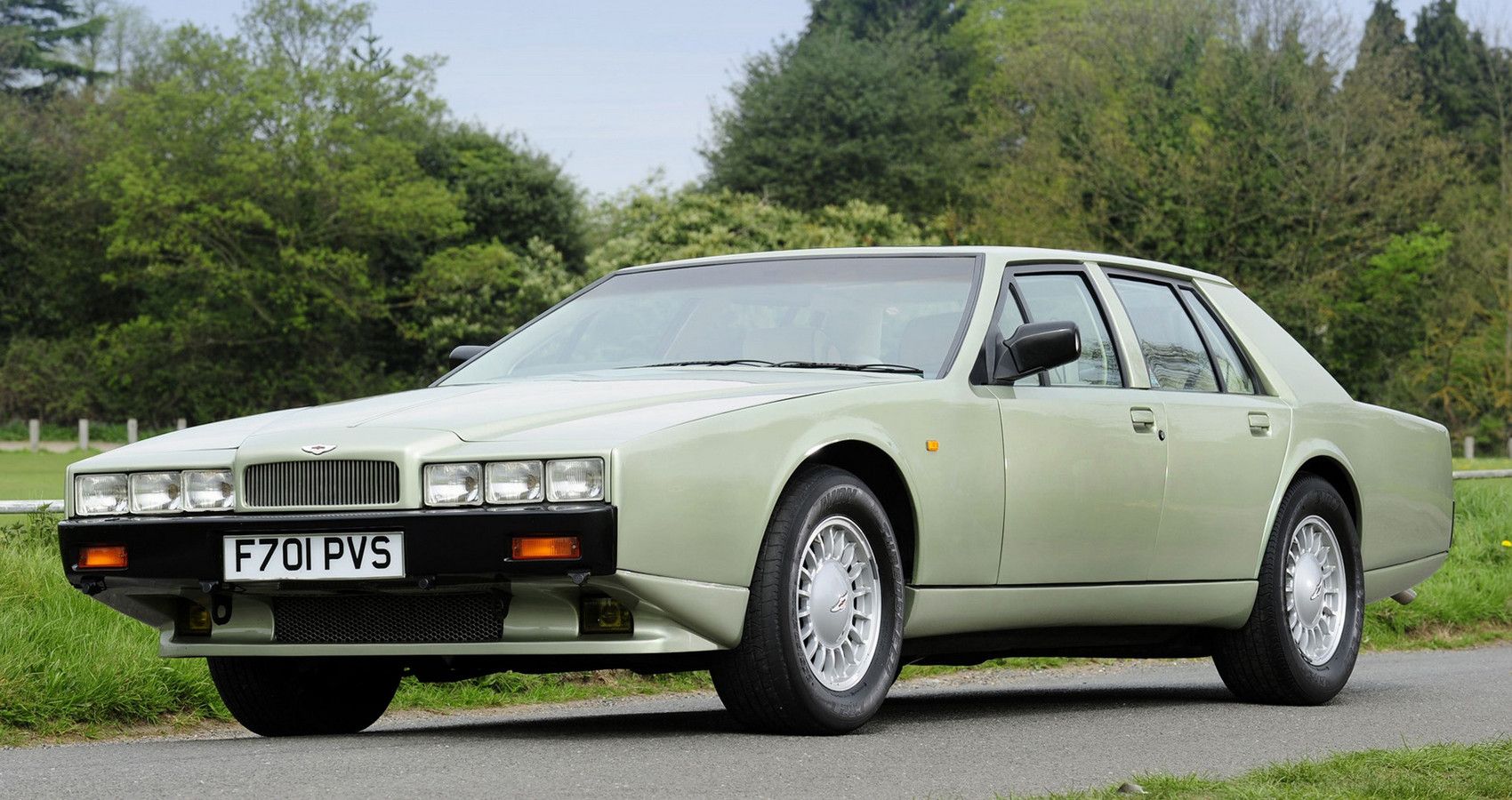
Aston Martin needed a hero in the ’70s and they turned to William Towns, who designed the ugly four-door wedge known as the Lagonda. Unfortunately, the Lagonda proved to be one of the worst cars money could buy, only selling 645 units between 1977 and 1989! The ugly Brit has undergone four facelifts and is still named “50 Ugliest Cars Ever” by Bloomberg Business Weeks.
Aston Martin charged $25,000 ($120,732 today) for this banging block cheddar and tossed customers a hand-built 5.4-liter V8 that was plagued with electrical problems. One of its selling points was the first production car with a digital instrument panel; Unfortunately, the system was known to fail and required expensive repairs.
7 Mercedes Benz SLC
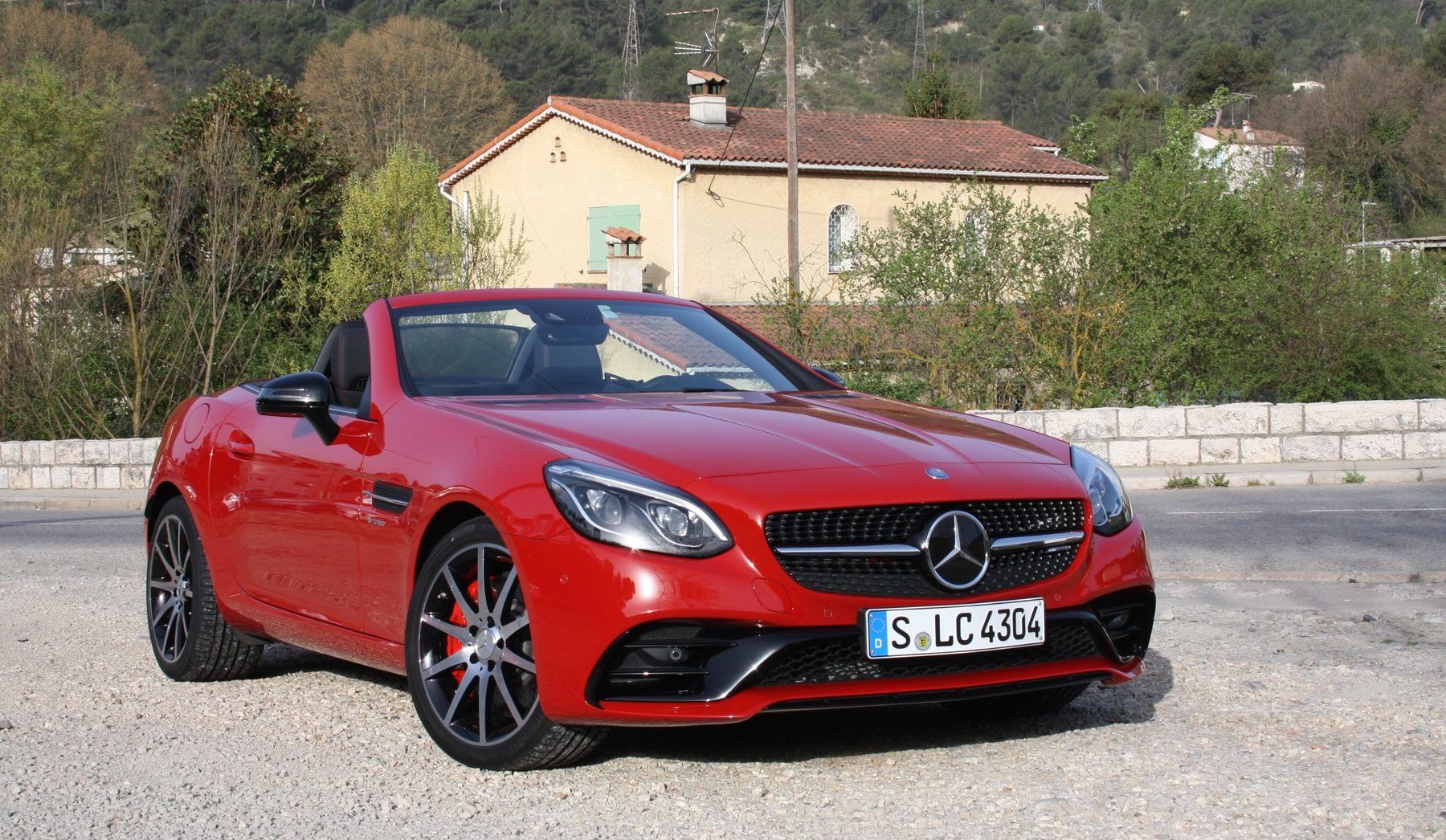
Mercedes-Benz launched the sporty roadster in 1996 under the name “SLK” (Sport, Light, Compact). However, the world’s leading luxury car brand renamed it “SLC” in 2016 and charged $38,000 to $57,000 for the SLC43 models.
What killed the SLC was simply father time. Then the competition caught up and went beyond. Porsche had the 718 Boxster, which was priced close to the SLC43 and offered similar performance, while Jaguar also showed up with the F-Type, causing sales for the SLC to plummet. Mercedes discontinued SLC in 2019 while continuing to push the GT lineup. It’s worth noting that the SL nickname returns in 2023 with a budget-friendly MSRP of $140,000!
6 Cadillac Cimarron
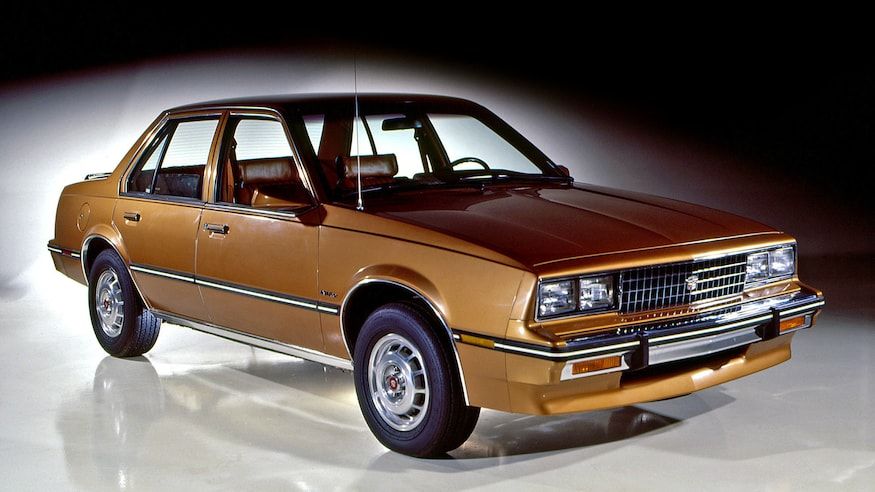
Cadillac is easily one of the worst luxury car brands, and the Cimarron is the perfect example. On the new J-Car platform, Cadillac’s first compact car launched in 1982; Cadillac had essentially rebadged a Chevrolet Cavalier to compete with the Audi 5000 and Mercedes 190E. Yet GM’s luxury brand charged customers $12,000 ($36,392 today) to purchase this rushed, leather-clad Chevrolet, nearly doubling the price of a Cavalier on which it was so obviously based!
Cimarron is one of the most notorious rebranding efforts in automotive history. Owners and Cadillac alike struggled to associate with “Cimarron by Cadillac,” which sold 132,000 units in six years, as the affordable compact Caddy couldn’t compete with European imports.
5 1984 Maserati Biturbo
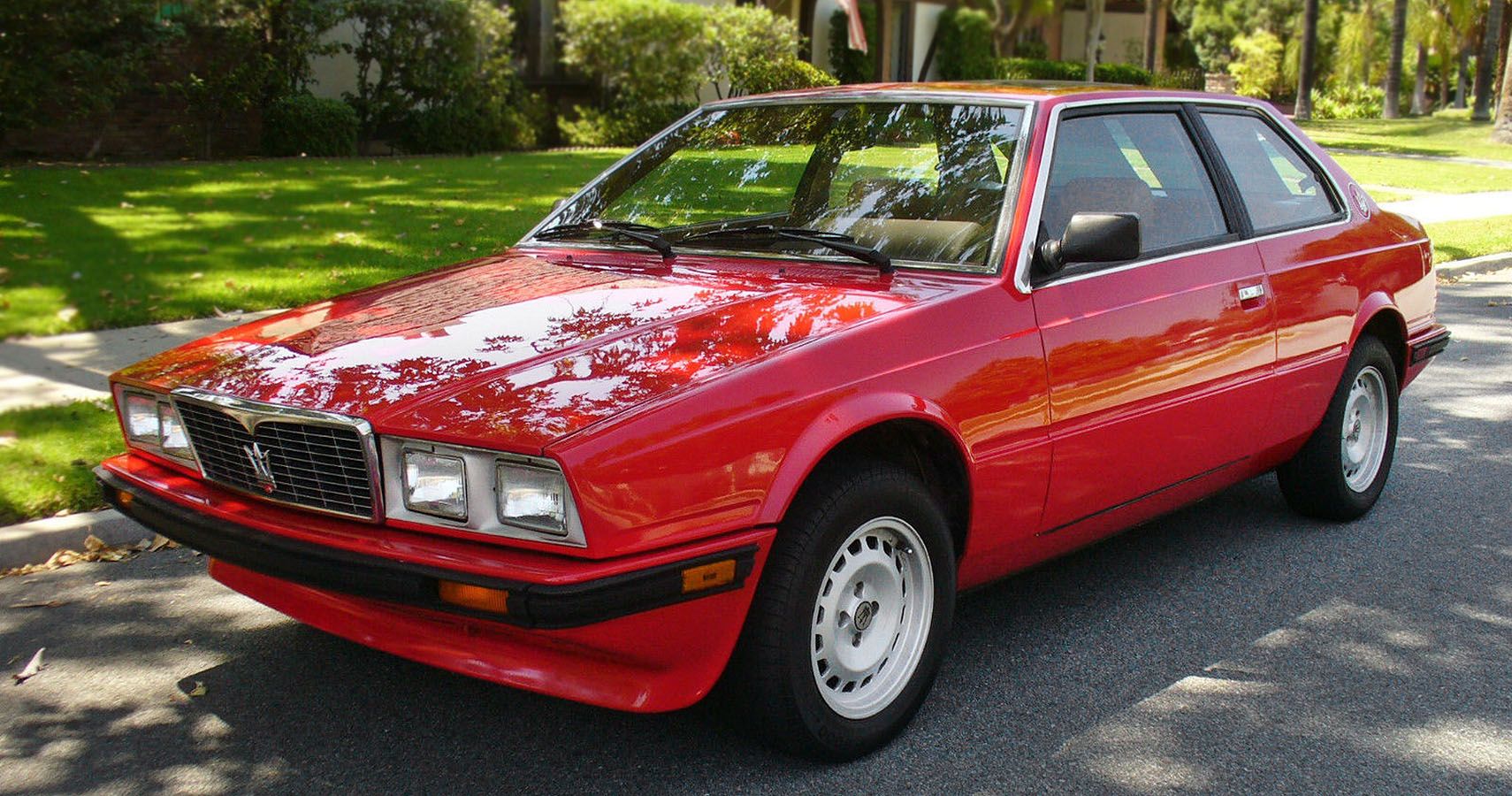
Maserati boss Alejandro DeTomasso wanted an everyday car in the lineup that could compete with the BMW 3 Series. The physical manifestation of his dream was the $25,000 twin-turbo, with that last part being emphasized as this was the world’s first production car to be twin-turbocharged.
And it sucked… The AM452-90 engine block couldn’t handle the pressure of the twin-turbo setup, resulting in a failure. Cheap build quality led to cracked interiors and body corrosion; They even had a recall on the 1984/85 models as they were known to catch fire due to exhaust issues. The “Everyman” Maserati was expensive to buy and even more expensive to repair, leading to Maserati’s enduring reputation as one of the worst luxury car brands.
4 Cadillac Allante
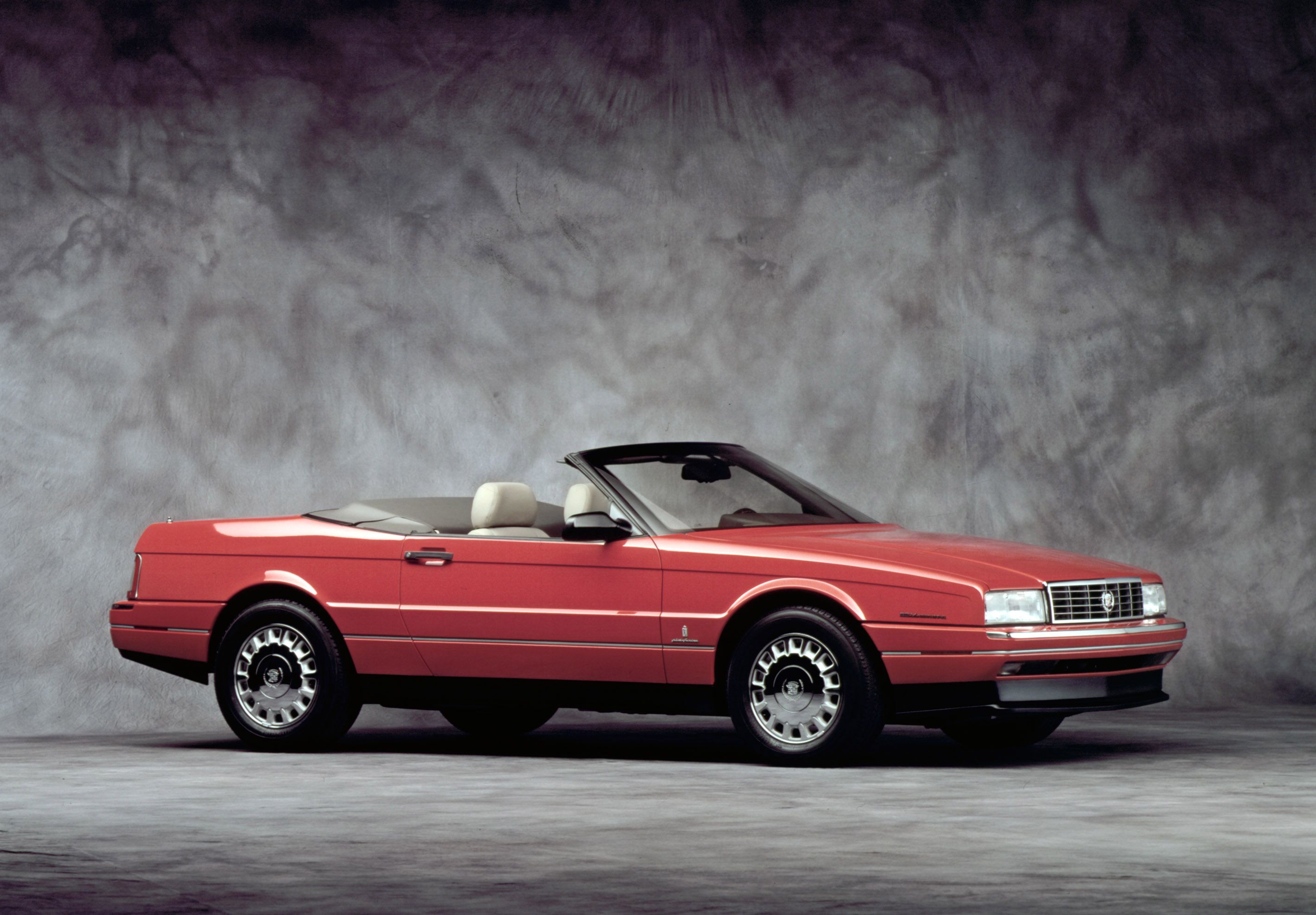
Edmunds ranked the Allante #23 on its all-time worst car list. A hefty £3,600 luxury roadster quickly became one of the worst cars to buy, lasting just six years between 1987 and 1993. Cadillac drove before they could enter this market, having Pininfarina design and manufacture the bodywork in Europe, which was then assembled in the United States.
Cadillac lost money on each of the 21,000 units sold. Even with the amazing MSRP of $54,000 ($140,000 today!) they still couldn’t capitalize due to the lengthy manufacturing process. Matching the unwise price was the underpowered Northstar V8, which produced a humiliating 170 horsepower for the Allante, which was chicken feed for the 1989 Mercedes SL, which produced 326 horsepower for just $45,000!
3 1974 Jaguar XK-E V12 Series III
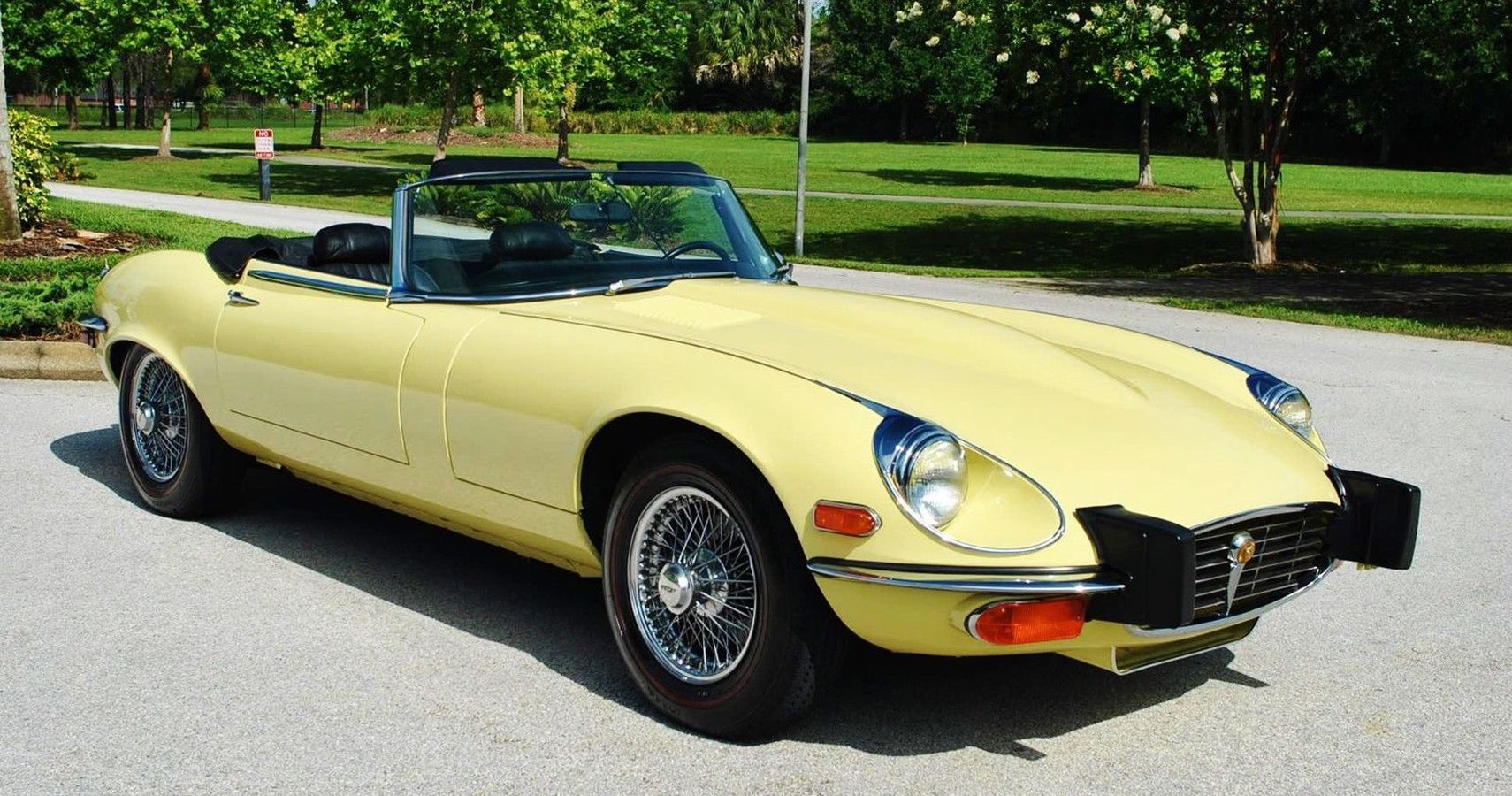
Today Jaguar belongs to Land Rover, the most unreliable luxury brand in the world. In the 70’s they had a different problem known as XK-E Series III or E-Type in Europe. The XK-E was once a stunning sports car with over 260 hp, capable of 240 km/h in the 60’s! On the other hand, the third series XK-E had to appeal to the North American market in the ’70s. Strict emissions regulations forced Jaguar to abandon the popular 4.2-litre flat-six in lieu of a top-heavy 5.3-litre V12, significantly messing up the Brit’s weight distribution.
Additionally, the North American market required ugly bumpers and body modifications, stripping the E-Type of its elegant finish and resulting in a Jag with no identity. As a result, a car once described by Enzo Ferrari as “the most beautiful car in the world” was now a heavy, ugly land yacht.
2 1981 Cadillac V8 6-4
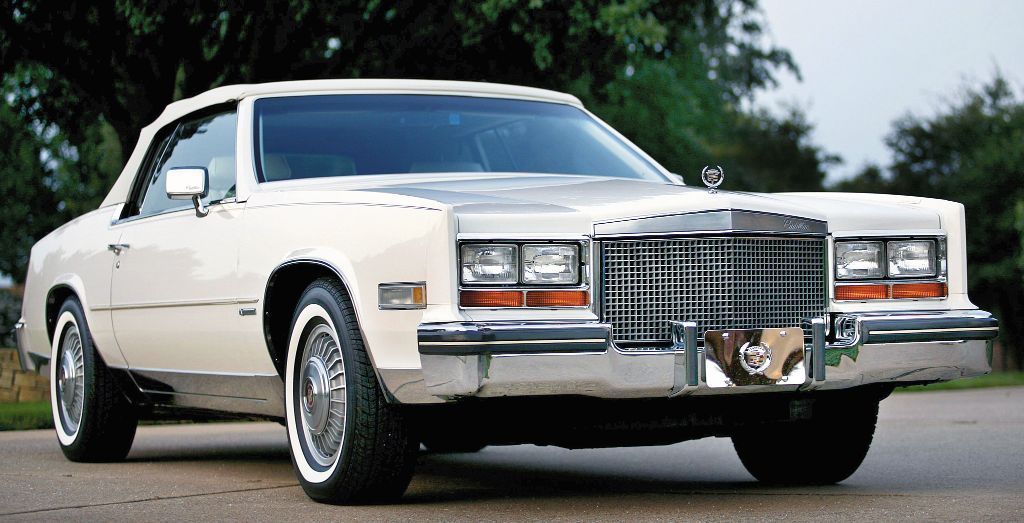
Today, Cadillac offers the most affordable luxury car on the market, the CT5. Luckily, the CT5 didn’t include the storied V8 6-4 engine that Cadillac planned to put in all of its road cars in 1981. The Seville managed to escape this infamous block. Unfortunately, the same cannot be said for Fleetwood, which costs customers $16,365 ($52,687 today).
Developed with Eaton Corporation, the V8-6-4 engine would allow users to automatically deactivate cylinders based on their driving style. If desired, the V8 would potentially morph into a V6 or V4, allowing Cadillac to comply with emissions regulations and requiring customers to pay less at the pump. Unfortunately, the engines became problematic as the fuel injection systems couldn’t keep up with the cylinder changes, resulting in a bumpy/sluggish customer experience. As a result, many had disabled the technology, and Cadillac discontinued it after a year!
1 BMW i3
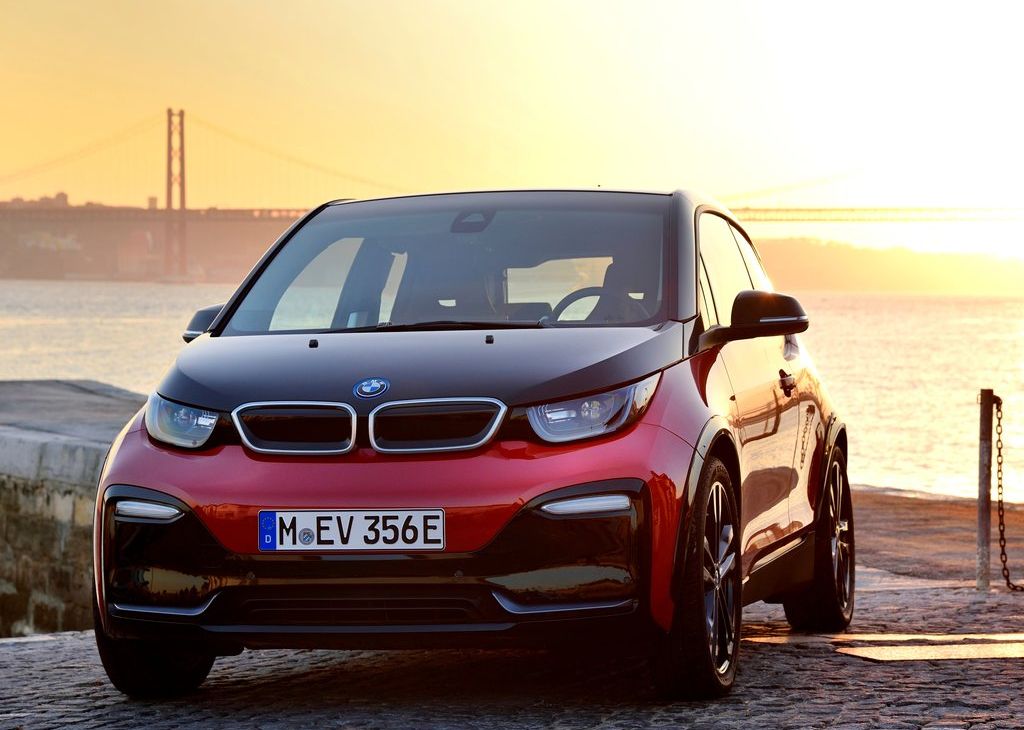
BMW’s groundbreaking little spark plug has become one of the worst buyable cars in the world. The i3 came out in 2013 in the early days of mass-produced electric vehicles and on debut produced 170 horsepower with a range of 80 miles. By 2021, the little Bavarian had increased these figures to 230 hp with a displacement of 180 km. Unfortunately that wasn’t enough. BMW’s i3 had the lowest range of any luxury electric vehicle in the US, compelling Germans to act.
BMW is charging $44,000 for the i3, meaning customers could get the much more significant, longer-range Polestar 2 for a similar figure. The i3 was discontinued in 2021 and replaced by the larger IX and i4 models for the North American market as demand for larger EVs continues to grow.
Sources: Edmunds, Mercedes-Benz, CarMax